Walking Los Olivos

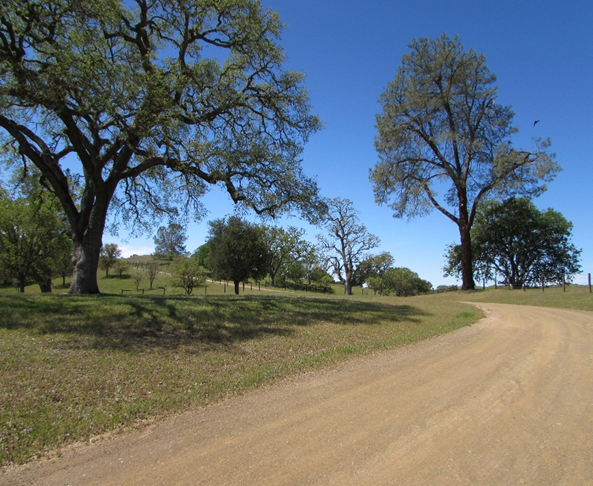
Lush is not a word I normally use for the hills of California’s coastal range. The seasons here too often turn to dry golden grass. The leaves of the native Oaks are small and the bark freckled with cracks. It is a landscape I adore, one I grew up around and still consider a gift from nature. But this landscape is not best described with extravagant words: lavish, plush, generous. It can be harsh and barren. But if you visit Los Olivos in the spring, it may surprise you.

The town surprised me. A simple few minutes off Highway 101 through a drive that was absolutely lush, the town fit the landscape of the region. Country-like lavish, polished clapboard, inviting. It’s a gem nestled in the rolling hills of Santa Barbara County. Known for its picturesque atmosphere, this town’s rich character offers an escape from everyday life.

My walk began at the Corner House Café. Central Coast Beach Boardwalkers, a club of the American Volkssport Association, kindly provides a map of two walks in the community in the brochure display inside the coffee house ($3.00 donation, no online access.) One is a 3.1-mile walk, the other a longer 6.8-mile walk. I was here to explore the downtown area, so I chose the shorter walk, though the mini-horse farm on the longer route tempted me.

The town is peaceful. Early morning sun poked over the hills, but with a soft touch. The slow pace here encouraged me to take my time and absorb the details. The walk took me past Los Olivos’ historic architecture. Old buildings, with their classic façades and quaint storefronts, tell yesterday’s stories. I paused in front of the Los Olivos General Store, a staple since the late 1800s. Many hands had turned its doorknob before mine.

As I strolled, the scent of freshly baked pastries wafted from a nearby business, and I couldn’t resist. Buttery croissant in hand, I sat on an outside bench, savoring the warm pastry, watching the town’s residents go about their day. There’s a certain intimacy in this experience—sharing a moment of simplicity with the community.

Los Olivos is known for a vibrant arts scene. My walk took me past several galleries, each showcasing the work of local artists. One particular gallery caught my eye with its colorful paintings depicting the landscapes of the region. These works captured the drive I had just finished and reminded me how fortunate I was to experience this scenery firsthand.

At the edge of town, I could see nearby vineyards stretched out in every direction, their lush greenery on display. Los Olivos is more than just picturesque; it is a place where history, culture, and nature converge to create an inviting atmosphere. The simple act of walking through its streets allowed me to connect with both the town and myself in a way that enriched my walk.

Slow down, savor the moment, grab a map from the Central Coast Beach Boardwalkers and stroll. In this small corner of California, I discovered not only a picturesque setting but also a sense of belonging and peace that is often hard to find in our fast-paced world.
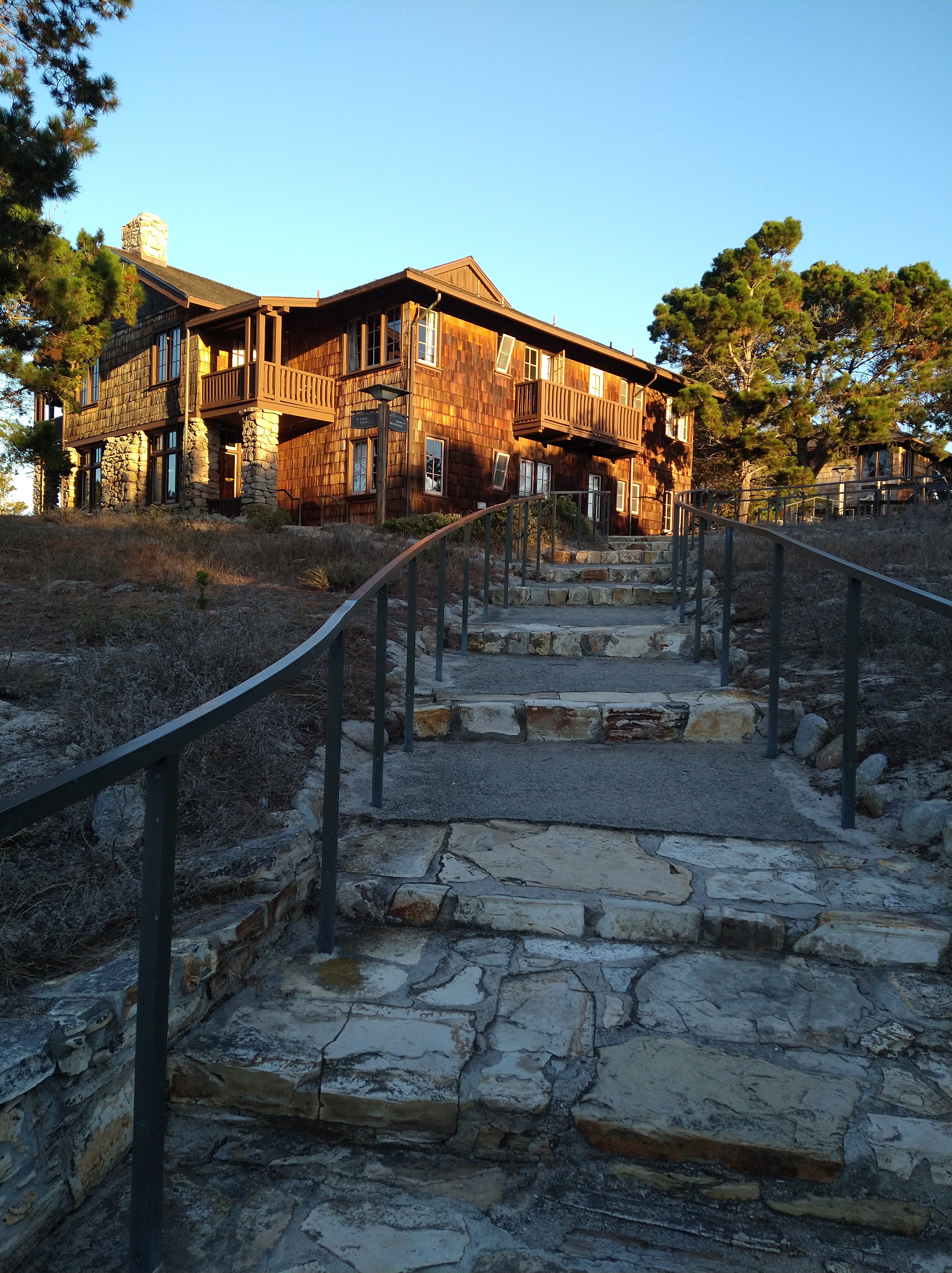
Walking Montaño de Oro, Point Buchon

I’ve been hoping for a lot of things lately. Hoping to make plans that don’t need constant revision. Hoping for new places to go. Hoping for more walks that take me long into the hills or along the beach through the dunes. Longer walks that stretch my calves and work my lungs and teach me to breathe. I like stability and routine, but sometimes a little change helps everything in life.

Just around the corner is a place that gives the possibility of a longer walk. Montaño De Oro State Park lets everyone ramble however they want. There are crushed granite trails, asphalt trails, trails along the edge of the ocean and ones straight up mountains. The path south along the coast toward Point Buchon, way in the distance, calls to me. I haven’t yet walked it.

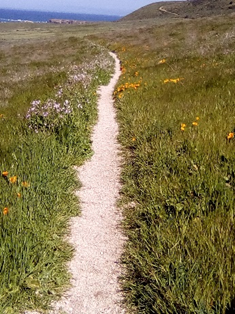
The trail winds its way, out there beyond where I have ever been, a trail that runs up the hill, around the bluff, and disappears into that softly turquoise sky. In the spring, the long path is a warm earthen line between mint-colored grasses with occasional gold from poppies or goldenrod wild flowers. I see it from a distance. The path invites me like all those routes that wait impatiently to be walked, while I test out my footwork and the strength of my laces or the time until my next obligation or whatever else is keeping me from setting out for a long stroll.

It’s a good challenge. The curve of the pathway is so far off it disappears from view, marking the spot that is probably half-way to the point where I plan to turn around. Some walks that I’ve never taken, like this one, I think about and design a route and re-think and design again until I can put foot to path. The road will be similar to others I have taken but not exactly the same. I know the trail will be a worthy one, if only for the freshness of the air.

Our lungs know what is good for them, and this air is their dessert. Deep breaths are on the menu. Replenish your lungs, relax your mind, calm your heart with those long measured breaths. Good health waits for me on the long walk into the hillside along the Montaño De Oro ocean cliffs. Shorter walks around the area have taught me what I might expect on a longer hike. Seven miles, eight, maybe nine or ten by the time I take the return trip. What’s keeping me from this long walk?

I’ve been reaching for a more demanding work-out inside my walking self-therapy. We all get into times when we have too much sameness. The same wake-up time, the same breakfast, the same walk every day. All of that is good, but there is also goodness alongside a challenge. I have held onto this quest to take a long walk for quite a while. It’s a forever to-list that hasn’t been done. Is there a rush? Do I need the pressure of a mental reminder that I have a goal I haven’t reached?

One step after another – this philosophy makes my life simpler, and when I remember it, it makes my life better. But sometimes the simple way of looking at things needs a second look. Sometimes, life isn’t simple. Right now, as I plan that long, long walk, my heart says ‘go’, but my hip says ‘no’. That’s when I have to remember that even many small walks to long places will get me there, eventually.

Walking the Refuge by the Sea

One place along the California coast pulls me back time after time. Stone walkways from the last century, historic buildings, and boardwalks through dunes appear like wishes from a better life. The place is called Asilomar, or Refuge by the Sea. If you are looking for tranquility, this is a good place to start.

A short two and a half hours from Estero Bay, Asilomar rests between Pacific Grove to the north and Pebble Beach to the south. It is owned by the State of California and there for anyone, anytime to come and walk its pathways. This open-ended invitation offers a rare sense of welcome. There is no entrance fee. You will find no entrance gate. If you wish to be there, you have simply to walk from one existence into another.

The refuge calls to wandering folk. The climate and fresh air revive you. Wide pathways crisscross the grounds. You can pick any route and wind up somewhere that is a complete surprise. Stop along the way and admire rustic buildings on the grounds. Even if you feel lost, you won’t be for long. Just continue the loop and you will return to the spot where the trail began, with a sense of calm that is Asilomar’s gift to everyone who walks there.

This refuge keeps the natural geography so that as you walk, it’s a reminder of what coastal California looks like untamed and undeveloped. The dunes shift daily. Plant life follows a craggy growth, sculptures-in-the-making. Tiny flowers bloom in the sand. Wooden walkways give you the right to step into a place that only asks you to be at peace.

The trail from the center of the property to the beach will wait patiently for your footstep. Sit on a lawn chair in front of Hearst Social Hall before you go or when you return, the choice is yours. Sooner or later, though, you will choose to follow the call of the Pacific. Walk to the bluffs above the beach and take in the extensive ocean view before you return to the Asilomar grounds. Or you can continue to stroll along the wooden boardwalk north on the bluffs fronting the ocean. Really ambitious walkers can hike to Cannery Row in Monterey, the next-door community. You can also add a tidepool to your adventure.

My favorite walk is to take a right-hand turn onto the pathway off the main boardwalk just before the beach. You are still on Asilomar’s compound, heading up an easy incline. Once at the top of the dune, you can walk along a ridge, or take a seat on a bench. This boardwalk also offers side-trips for exploring. One of the walkways takes you to an end spot where you can sit, especially at sunset, looking north past a wooded gully, south to the long curling beach, or west onto the ever-present roll of the Pacific.

Most walks are the daily habits of people on-the-go. Routine, known, and often appreciated, these customary treks help our days have meaning. Others challenge each person in different ways: a physical test or a mental task. Any walk you take in Asilomar, this refuge-by-the-sea, will transport you to a place that, with one small step onto the grounds, brings an enormous sense of peace.

Walking to New Familiar Places

Morro Bay State Park Museum of Natural HIstory

If life is a story, the walk around Morro Bay State Park’s Museum of Natural History would be several chapters of mine.

Many years ago, maybe when I was not even a teenager, I traveled to this area with my parents. I remember being surprised at the golf course adjacent to the park, only to turn around and see there was something more to explore up the hill towards the bay. The stone pathways, the eucalyptus grove, the muddy beach seemed to mix into a jumble of memories about a place where so many things that shouldn’t be together existed side-by-side.

Then there were the visiting years, when I would escape the heat of the valley with my own young family. On long walks from the town of Morro Bay, through the nesting heron rookery, and up the stone walks, we would spend time in the Museum itself. Reading the history and looking at the photos gave us some good information and a rest stop. After all, we had a long walk back into town.

Today’s walk, though, is longer and more solitary. As a woman approaching seventy, I climb up past the museum onto the crumble of sandstone paths with only an occasional step-worn stone to steady me. The routine of walking to the back of the museum, around to the side on the path that winds nicely above and along White Point, then down to the estuary marina, is now a part of my life. I sit often on the wooden bench looking over the stone border wall to the tides coming in and then leaving the bay. I see people putting their kayaks into the water at the end of the public launch and watch pelicans hunting above the schools of fish. But I have not ever walked up to the crest of the hill. I think I remember knowing that you can walk it. I just never thought that I would.

Today, I turn left onto the uphill path instead of following the worn path I had always followed before. I will treat myself to a new version of this walk and a new view at the end of the pathway. It’s not as safe a trail as the other, having less traffic and more rubble. I reach several places where the route ahead is unsure. It’s certainly less marked. But eventually, the path reveals itself and I find that there’s a wide marked area to welcome me at the top, and one last treat that out-surprises that first impression I had of this area so long ago. The view.

What can I say about a view that extends farther than I ever would have guessed? How do I write about the freshness of the air? I am really not able to describe the vitality of this perch from the top of a hill I knew about, but had never visited. I think it’s better that you go there yourself.

Walking Kherson, Ukraine

Ushakova Boulevard

When I hear news about Ukraine, I don’t think of global politics. I think about a man who sold me honey at Kherson’s outdoor market. I think of my former co-workers. I think of the bread lady at the kiosk down the street who would only sell us the very best of what she had to offer. Kherson, Ukraine was my home for nearly a year, and today I would like to take you on a walk down its main street as a tribute to a precious way of life.

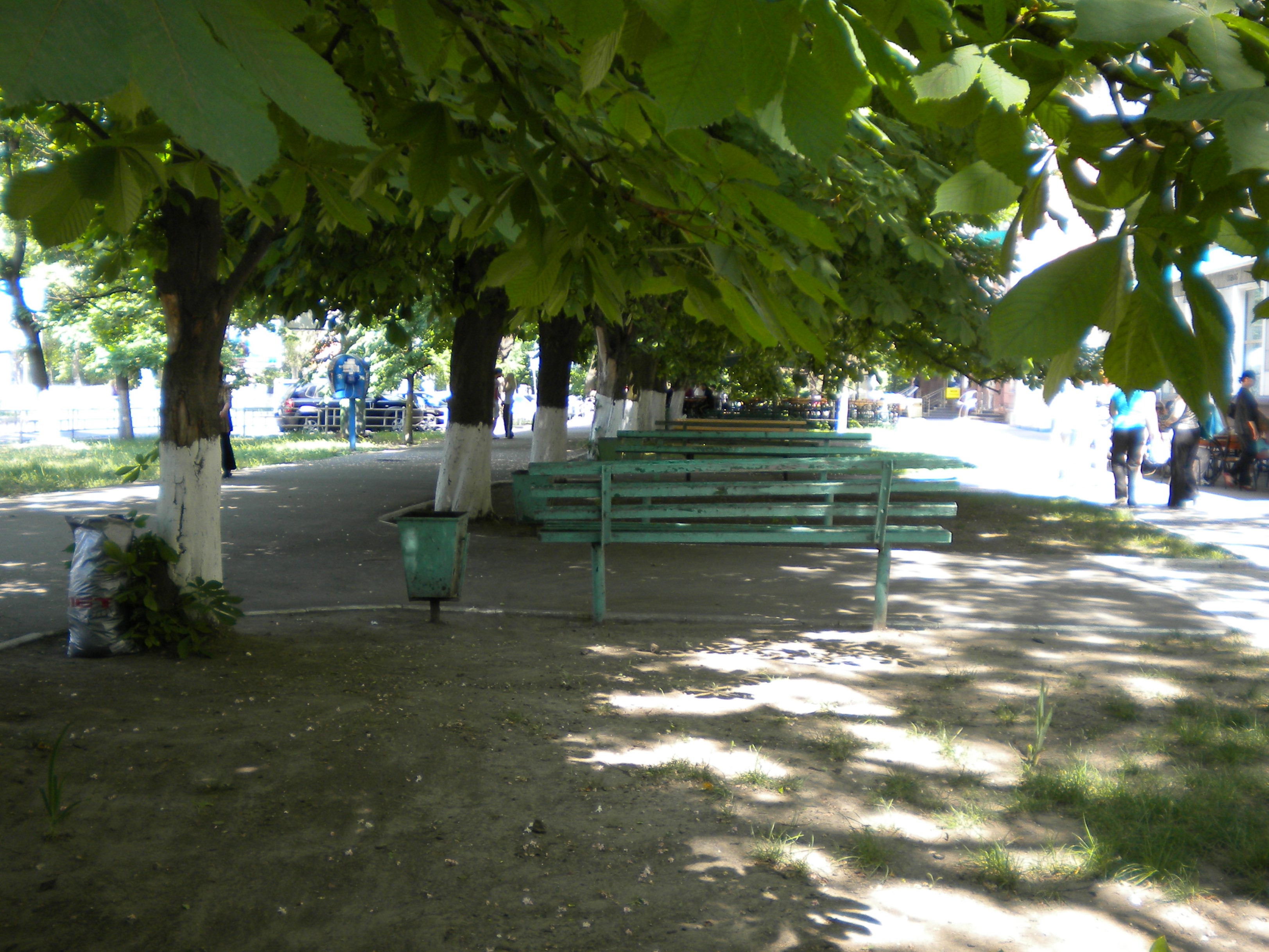
Ushakova Boulevard in Kherson, Ukraine runs straight from the railway station to the Dneiper River quay. Along its sides, many of Kherson’s important buildings have stood for decades. The street is lined with broad pathways and sidewalks, covered by enormous green leaves from chestnut trees in the summer, made dangerous by ice and snow in the winter. If you walk one street in Kherson, it should be Ushakova, and it should be in early summer.

Like many post-Soviet railway stations this one impresses you with complex walkways leading from the arriving trains. There are overhead walkways, round and about walkways and zig zags. Follow the other passengers, and you will eventually find yourself in the building’s reception area, filled with high ceilings, wooden walls and Cyrillic-lettered notices. Head out the station’s entrance, and you have found the city’s Grand Avenue – Ushakova.

Near the station, the buildings that line the street are Lenin-era buildings, gentler than the newer concrete-block buildings. The Stalin-era buildings, the concrete ones, were built unemotionally, to last. The Lenin-era buildings were built with love, wood, and high ceilings. Many are beginning to slowly crumble, waiting for someone to decide their future.

Soon, you pass by one of those newer concrete buildings, and notice that even it is beginning a slow crumble of neglect. Other buildings on your walk, the Music College for example, are sturdy, well-tended and vibrant.

There is an extravagant Naval College and a long, industrial-looking post office. From your sidewalk, you peek through an open lot and see a beautiful little Orthodox church. Tall feathered stems from grasses wave between you and the church, surrounded as it is with a graveyard that grows field grasses high during a quick and vigorous spring.

Ushakova here becomes a true boulevard. Benches for sitting divide two wide walkways that line each side of the street. The traffic lanes of the street are narrow compared to these pedestrian walkways. More buses than private vehicles fill the avenue. But there are many, many people – like you – walking. To keep up with your Ukrainian sidewalk companions, you’ll have to quicken your pace. If you want to sit and watch for a while, pick a bench and rest.

But don’t stop long, for farther down the boulevard is Lenin Square. When I was taking this walk, in 2010, a huge statue of Lenin stood in the middle of the expanse of concrete. It is no longer there, having been pulled down during the Maidan protests of 2011-2012. Even empty, the size of this rectangle of concrete will impress you. Massive public areas, like this one, are here and there around Kherson. Once a city of 500,000, now retreating to near 200,000, this amount of common space feels overwhelming.

All along Ushakova, you have passed restaurants, many with cafe tables along the sidewalk. Now, as you reach the pedestrian street of Suvarova, you see there are many more, as well as shops and perhaps some sidewalk artists and vendors.

The avenue here begins a steep descent to the Dneiper River. There is a beautiful wharf walk along the river that runs through a park that is allowed to grow wild with spring grasses, then – just in time – trimmed with weed whackers in a fit of tidiness.

Something invades your peaceful river thoughts – the Hotel Fregat. A futuristic design sixty years ago, the building and grounds now look like a sad mockery of the 1960’s. It hasn’t fallen into disrepair, just fallen wildly out of fashion. Maybe a little disrepair, too.

But the river is glorious. Ushakova ends here, at the wide, powerful, decisive Dneiper. Large and small outboard motor boats can take you back and forth to the islands just across the current. Yachts sail by, but not often. Enormous commercial ships ferry goods occasionally. Most of the time, you can stand here at the quay with just you, your thoughts, and the steel-colored waves.

Walking Morro Bay’s Park Ridge Trail

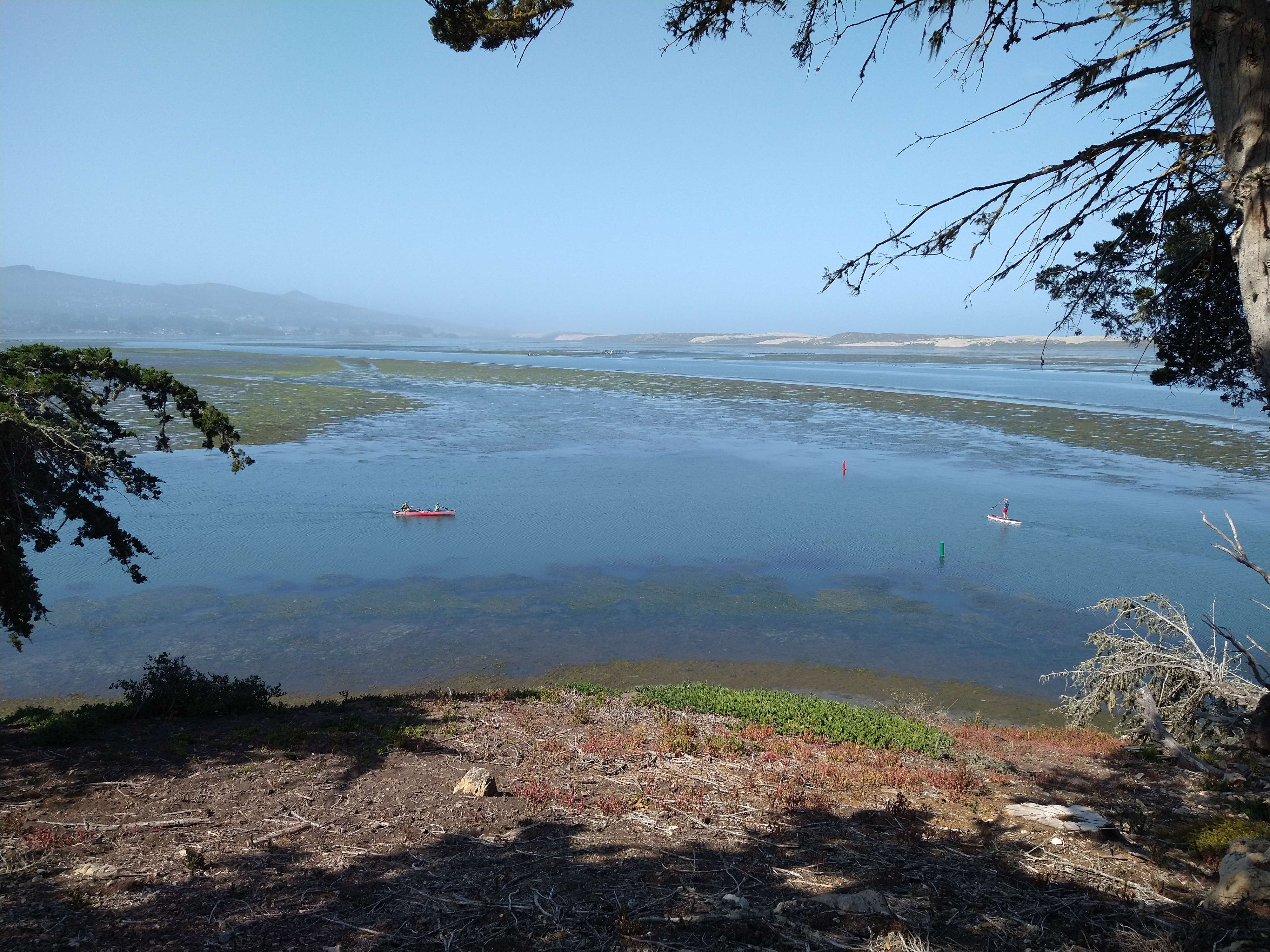
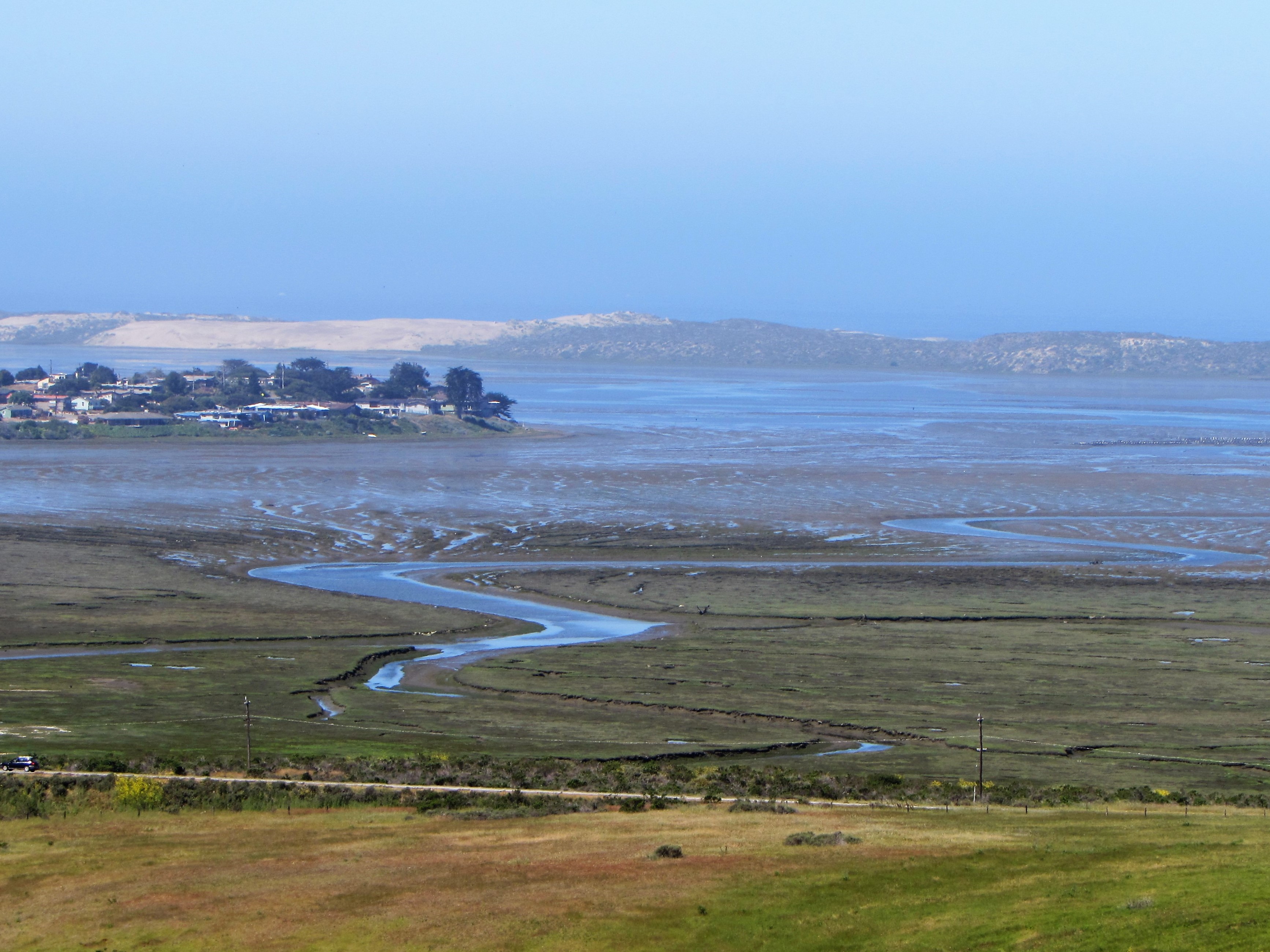
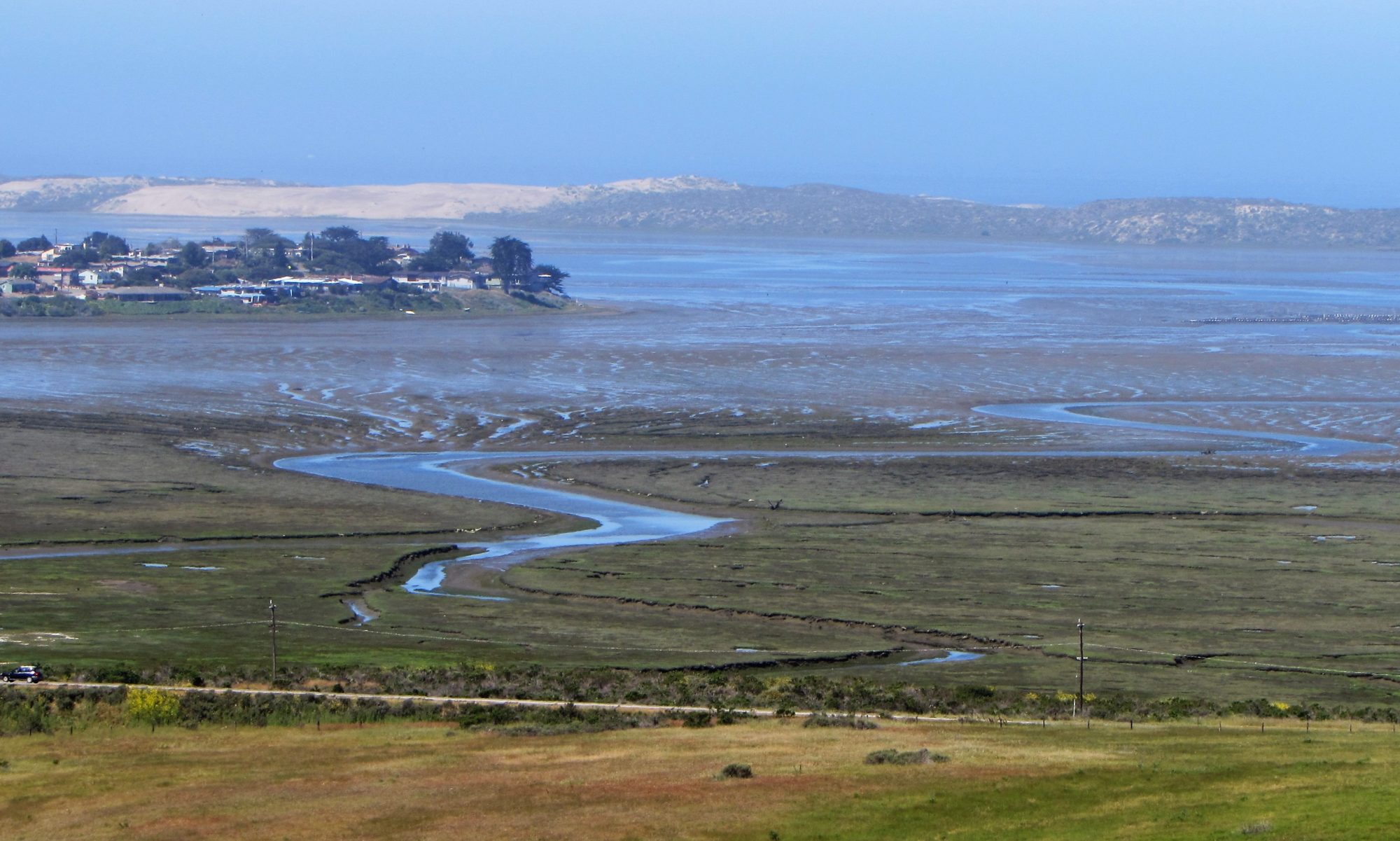
Over the shoulder of the town of Los Osos is the Pacific Ocean. Shielded by a sand spit, Los Osos hides from that deceptive and ill-named body of water that is not peaceful even when it appears calm, as today. I walk at low tide east from the Pacific and watch the ocean’s fingers snake their way to the back of Morro Bay until the sand sucks out the sea water and becomes a soupy mess. It pulls your shoes off if you venture out in a kayak at the wrong time of the tidal day and need to step out to unstick your ride.

But today, as I walk away from the coast, I head toward Park Ridge Trail in Morro Bay State Park. It’s nice to watch the ocean from a distance. The path rises and falls around a hill that gives a magnificent view of the saltwater marsh in the shallow end of the bay.

Imperfect wildflowers lay along the path and up the hillside. Taller than me, the golden yarrow shines bright and the tiny baby blue eyes brush my boots. Some plants are vivid today, but remind me that the wildflower season is past prime. Cow parsnip, morning glory, sticky monkey flower, milk thistle and purple salsify are saying their goodbyes.

The hills today still carry the mist from the coast, making the air mild and my cheeks refreshed. The sun here is powerful and insistent, but waved away by the breeze. A green blush on the hillside won’t be here next time I walk this path. Even today, weeks since the last rain, the hills are streaked with golden. A change has come about from winter’s green. The waving ends of aging grass and flowers sway over the crest of the hill, a fading springtime pastel against the blue of a balmy sky.

I walk on a path that has been visited recently by a run of bicycles and many feet. A diligent maintenance crew has kept the main paths broad. Smaller, happenstance cutaways lead to places I didn’t prepare to see today. Most are made by adventurous hikers who know the area better than I. Once I get past the first hill, I realize how broad and expansive is this parkland. There are a dozen break-off paths, some posting legitimate signs: Quarry Trail, Crespi Trail, Chumash Trail. The named trails are blazed by the park maintenance crews, but many others are side-lined single walking jaunts that lure me to break the rules. But I know it’s best in all ways to stay on the cleared paths. Safer for me and safer for the creatures who live here on the hillside.

I see some of these: little rabbits, a couple quails, a buzzard flying above. I hear others:  a scampering away as I turn a bend, a swish around a tall bush, several bird voices I can’t identify. I also see many off-shoots of trails that these creatures have made, so small I am not even tempted to change my route. Running under, next to and through thorny vegetation, they seem to head toward a cleft of water that I hear but can’t see.

Getting to know this area, I have been so entertained by the sea: the constant sound, the soothing beach sand, the shallow tides I can slip my toes into every day year-round. I have been facing west for years, in wonderment at this ocean home. Happily today, I am discovering a walking buffet to the east. I can’t wait for my next ramble through these coastal hills, and wonder why my feet have been so long in walking this way.

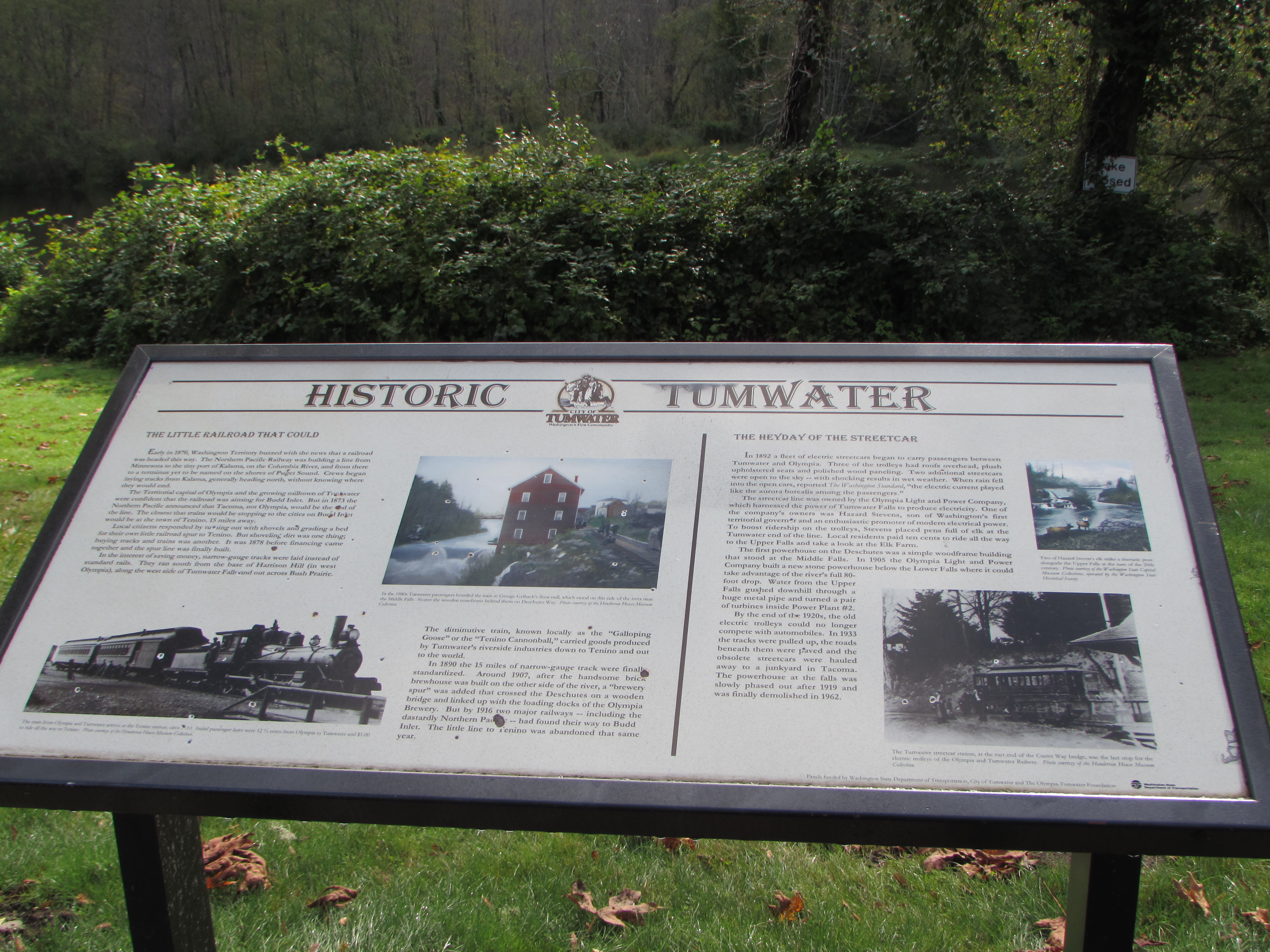
Tumwater Historical Park

On a crisp autumn afternoon, I step onto a public pathway and fall in love with fall.

I’ve always tried to call the season by its proper name: autumn. I think it was never a true season for me. I lived in places where there were no real seasons, or where the change from one time of year to another was more like summer-winter (and a small winter at that.) Well, there was once that wild weather year in Ukraine, but that is best forgotten. Here, in Tumwater Washington, USA, there is a true autumn where leaves really do fall and weather straddles that divide between summer’s and winter’s extremes. Fall is here, not just autumn, and I can’t wait to see this season progress.

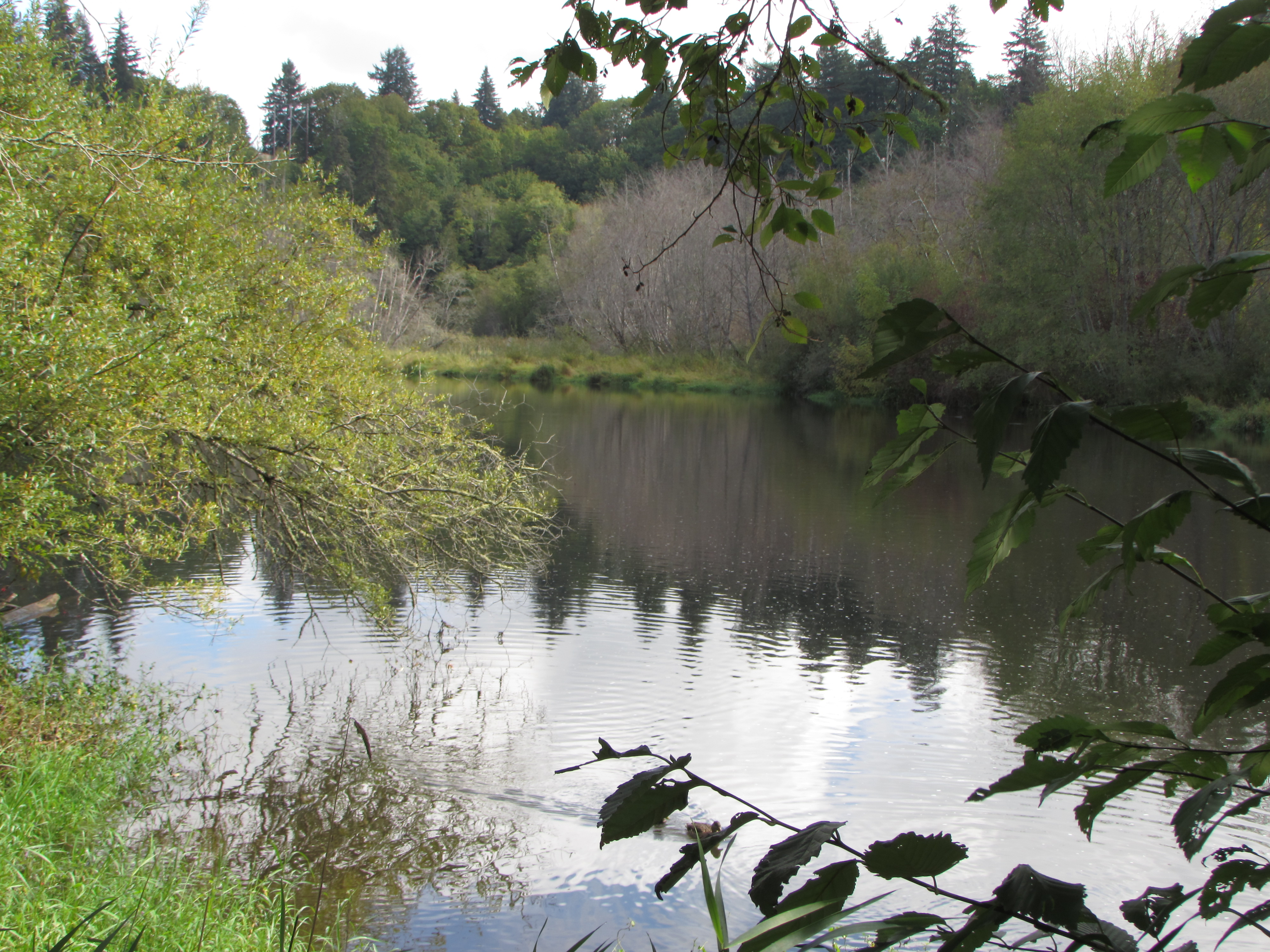
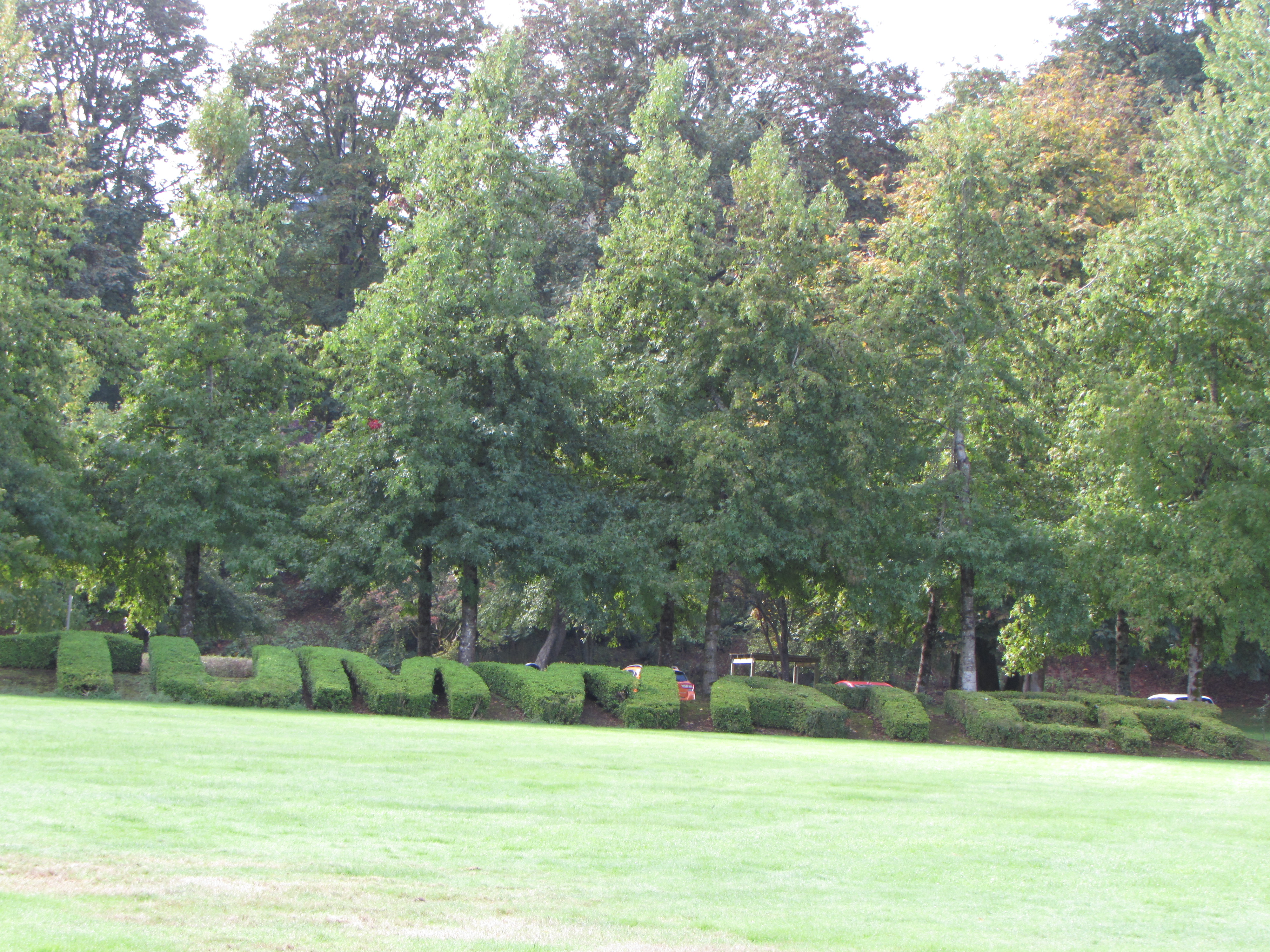
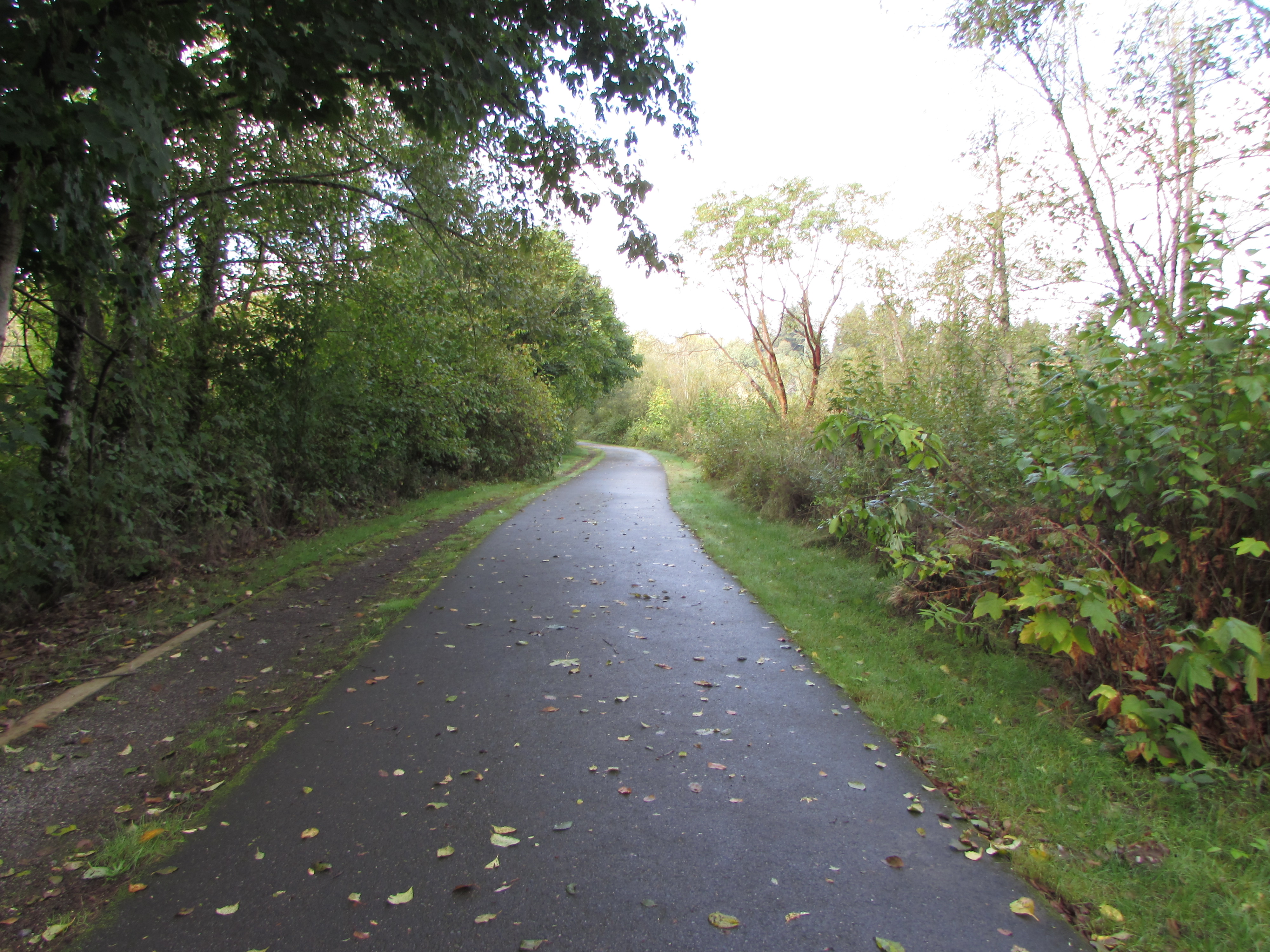
Today I step for the first time onto the path in Tumwater Historical Park, and there is nothing but delight all around. Breathe in, and the crisp smell of water-plants-mulch-dirt-leaves-flowers-moist air gives a refresher that must be more healthy than a million daily vitamins.

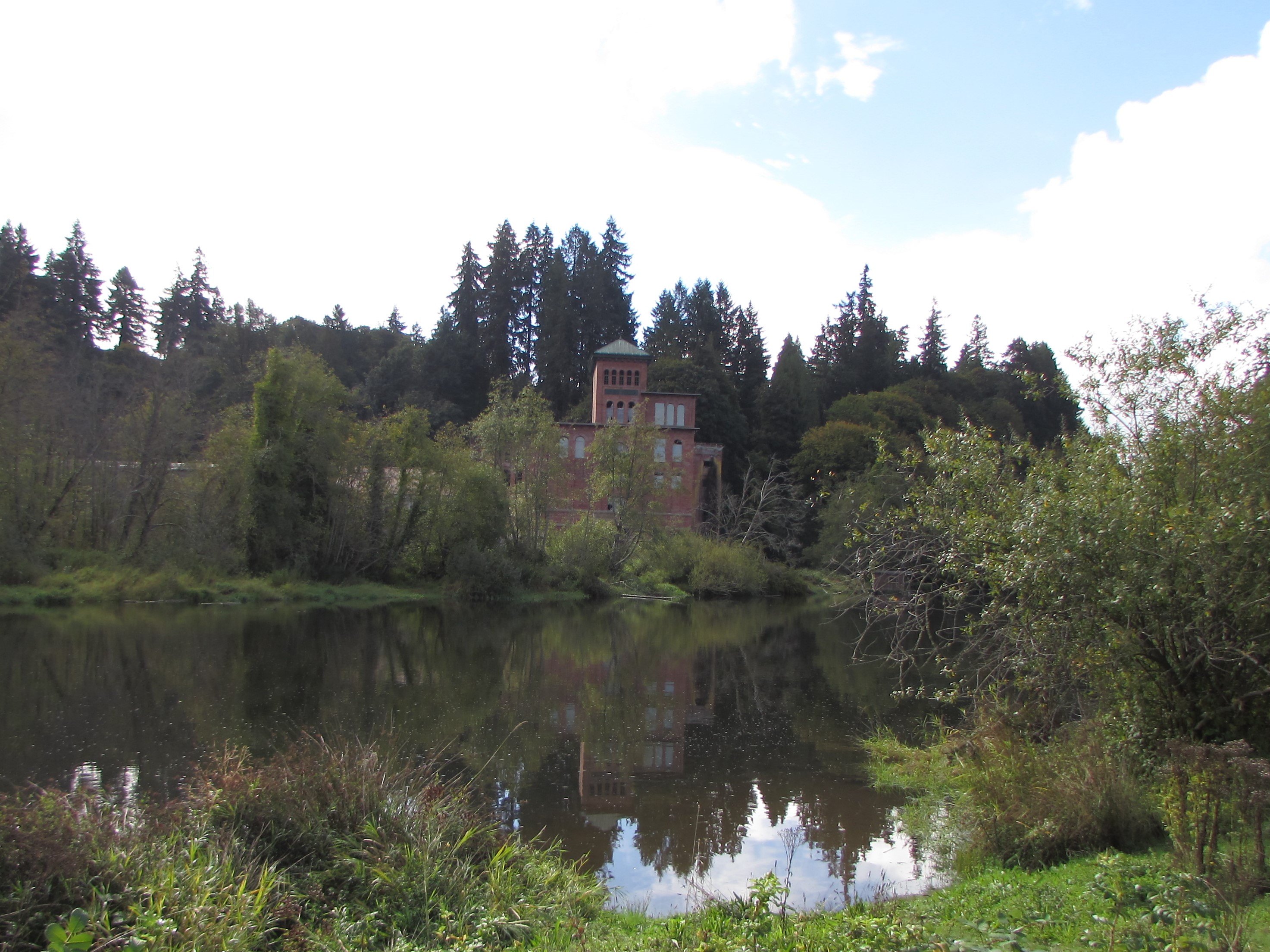
Photos do that wonderful trick of being perfect without any magic from me – not that I know how to put magic into pictures. The water reflects the image of perfect trees, perfect geese, perfect ducks, perfect buildings. Around the curves in this path, bushes arrange themselves into perfect arbors and before I can wish they were there, docks jut into the lake for me to walk upon.

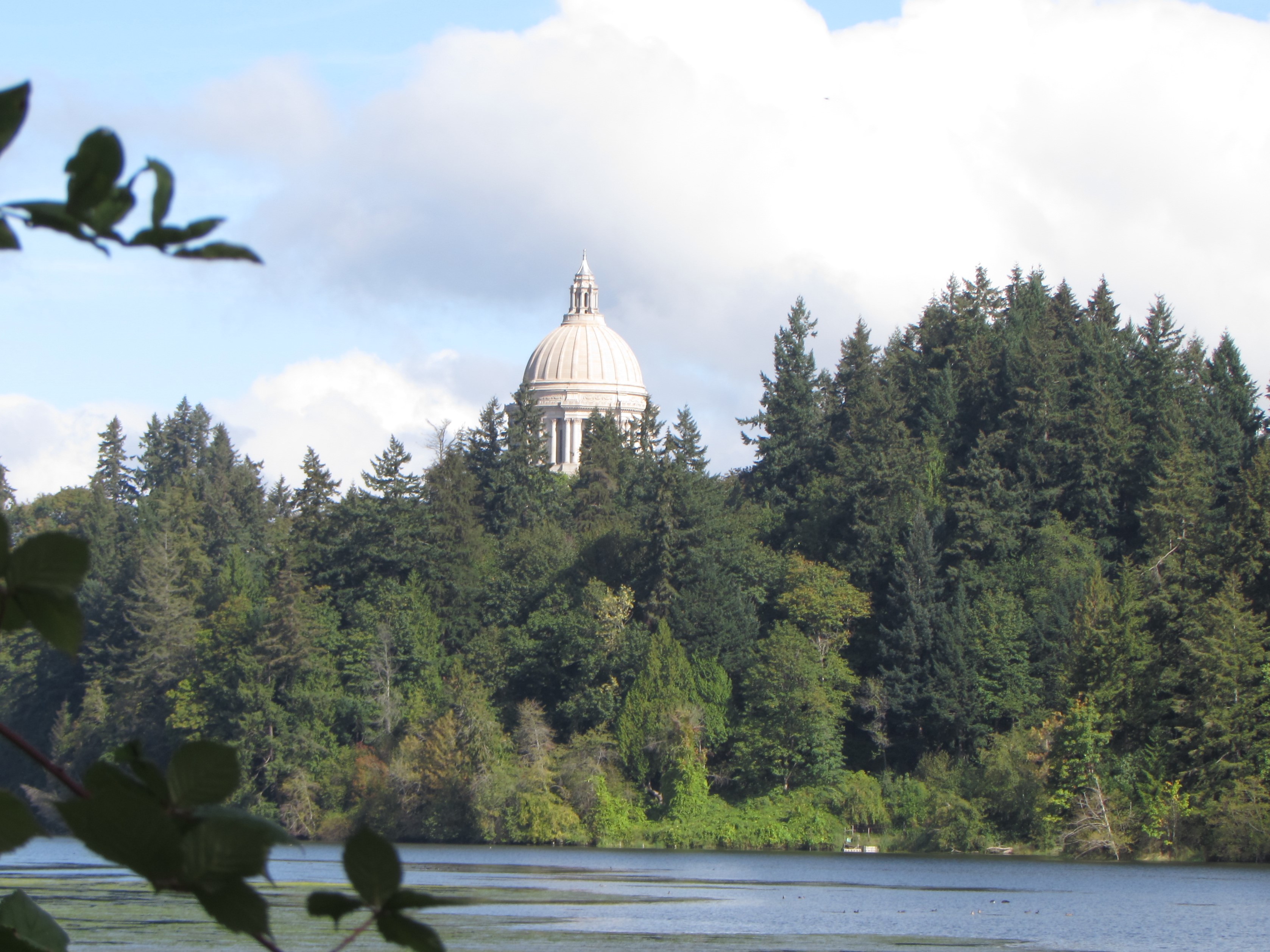
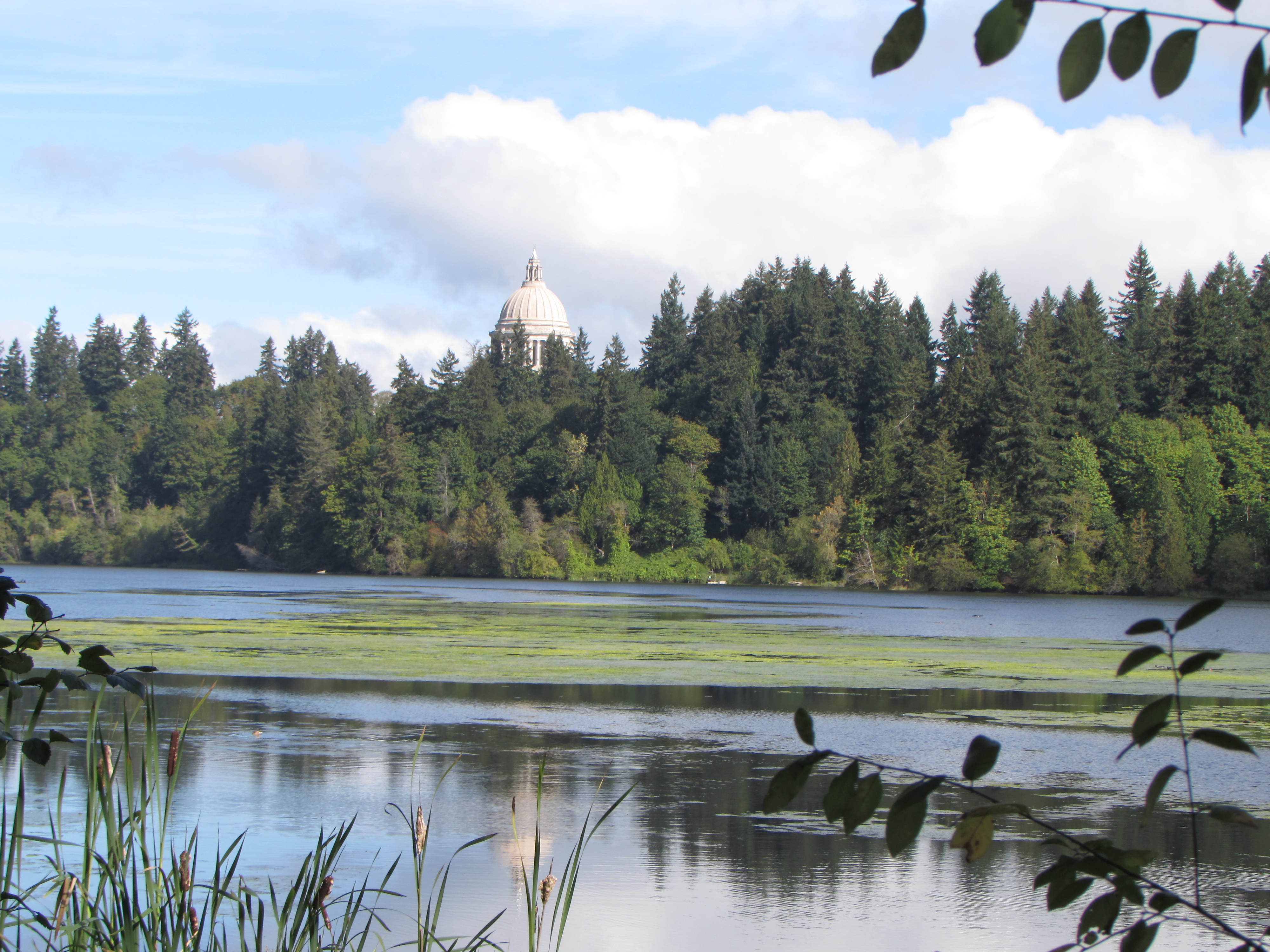
I walk under Interstate #5, a phenomenally busy highway, without noticing any traffic noise. Maybe it’s there, but my attention is pulled ahead to Capitol Lake and a perfect view to the State Capitol building. The pathway is just busy enough with fellow walkers to keep me company, without blocking my views or making me run from crowds.

Walking is a physical venture. Sometimes that is enough. Every once in a while, though, a walk comes along and offers more than simply putting feet to ground. That this one came during my first fall here is just perfect.

Walking for Blackberries

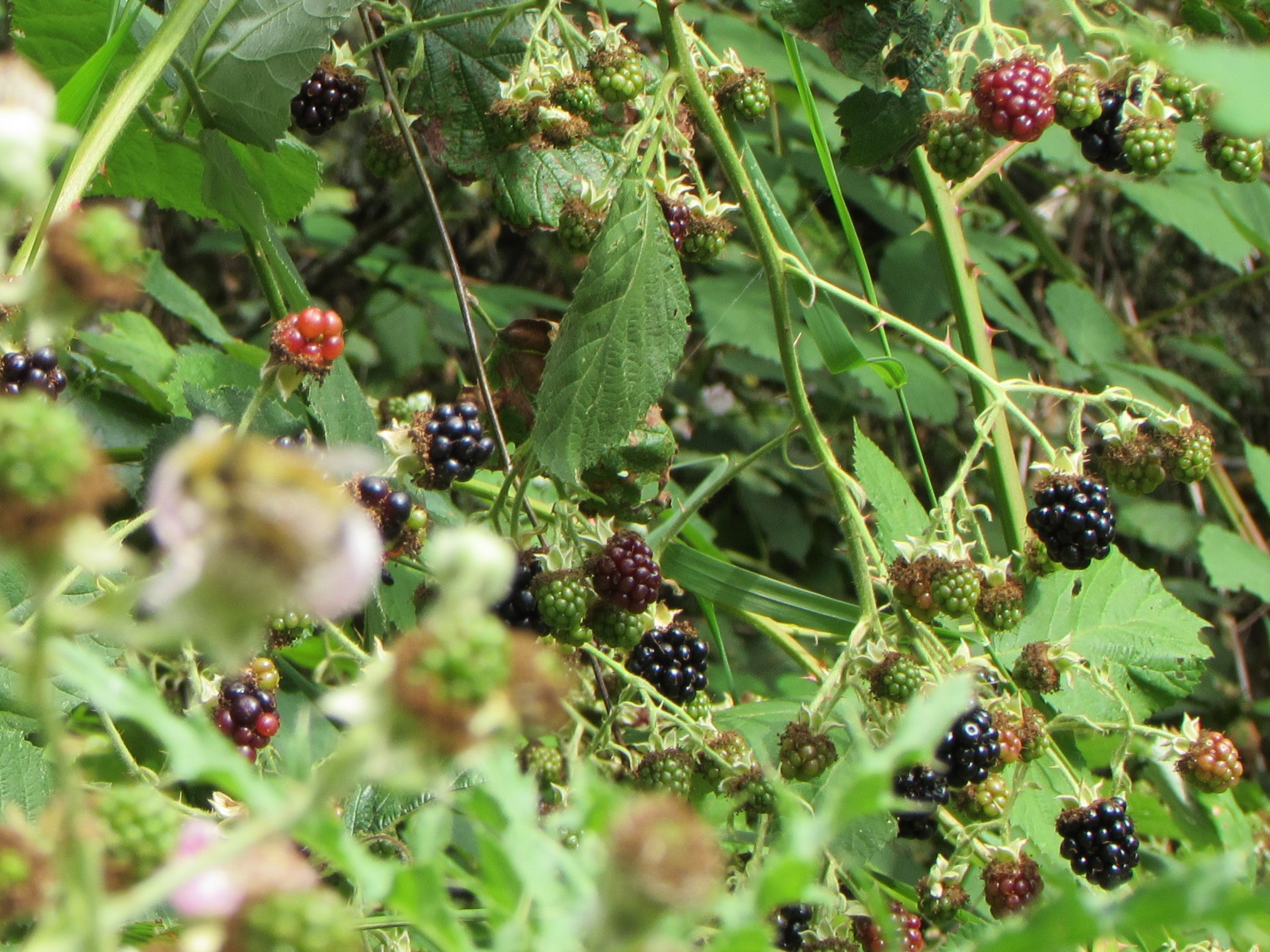
Sharp flashes of brightness hide behind branches and foliage. Shining in the sunlight, the fruit lay dark against the green leaves of the hillside vines. Wild blackberry harvest is coming.

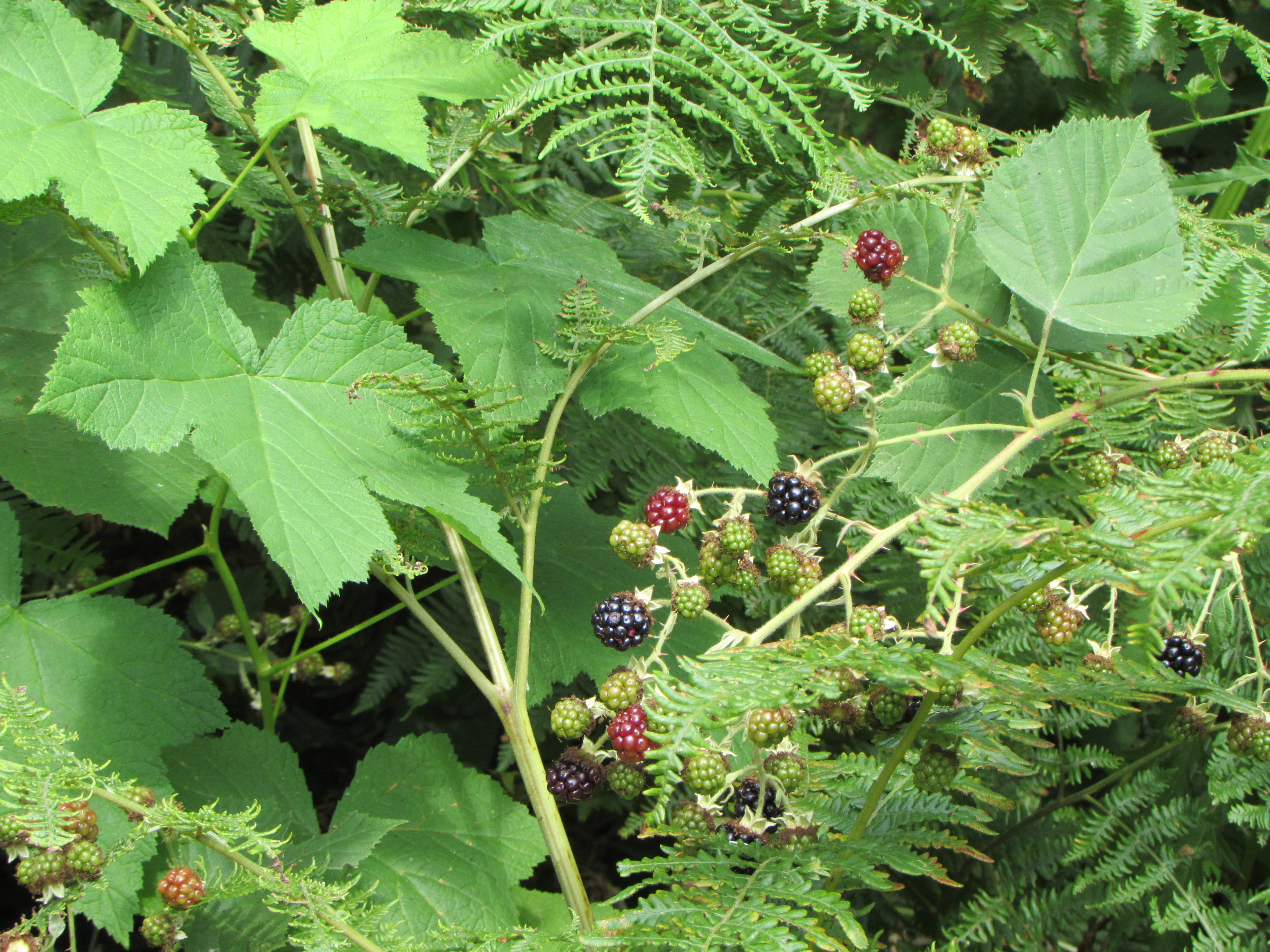
Being new to this area, I hadn’t known exactly what would spring from the vines I had been walking by for almost five months. First, I saw the woody clipped vine, then small new green buds, then tangling arms of leafy berry vines. Knowing USA’s Pacific Northwest is famous for its berries, I hoped for the exotic salmon berry. But I also knew that blackberries were better at growing in the wild. Then, as I saw the black globs mounting bigger and more numerous against the vines, I knew I could celebrate the abundant blackberry, tart and sweet.

But I didn’t know the berry-picking etiquette in this neighborhood of hillsides owned by everyone. For several days on my walks, I watched people inspect the vines. A few days later, the first neighbor returned with baskets. A day after that, I counted eight different pickers taking berry bounty from three different areas of hillside vines. On my next walk, I brought along my own small basket.

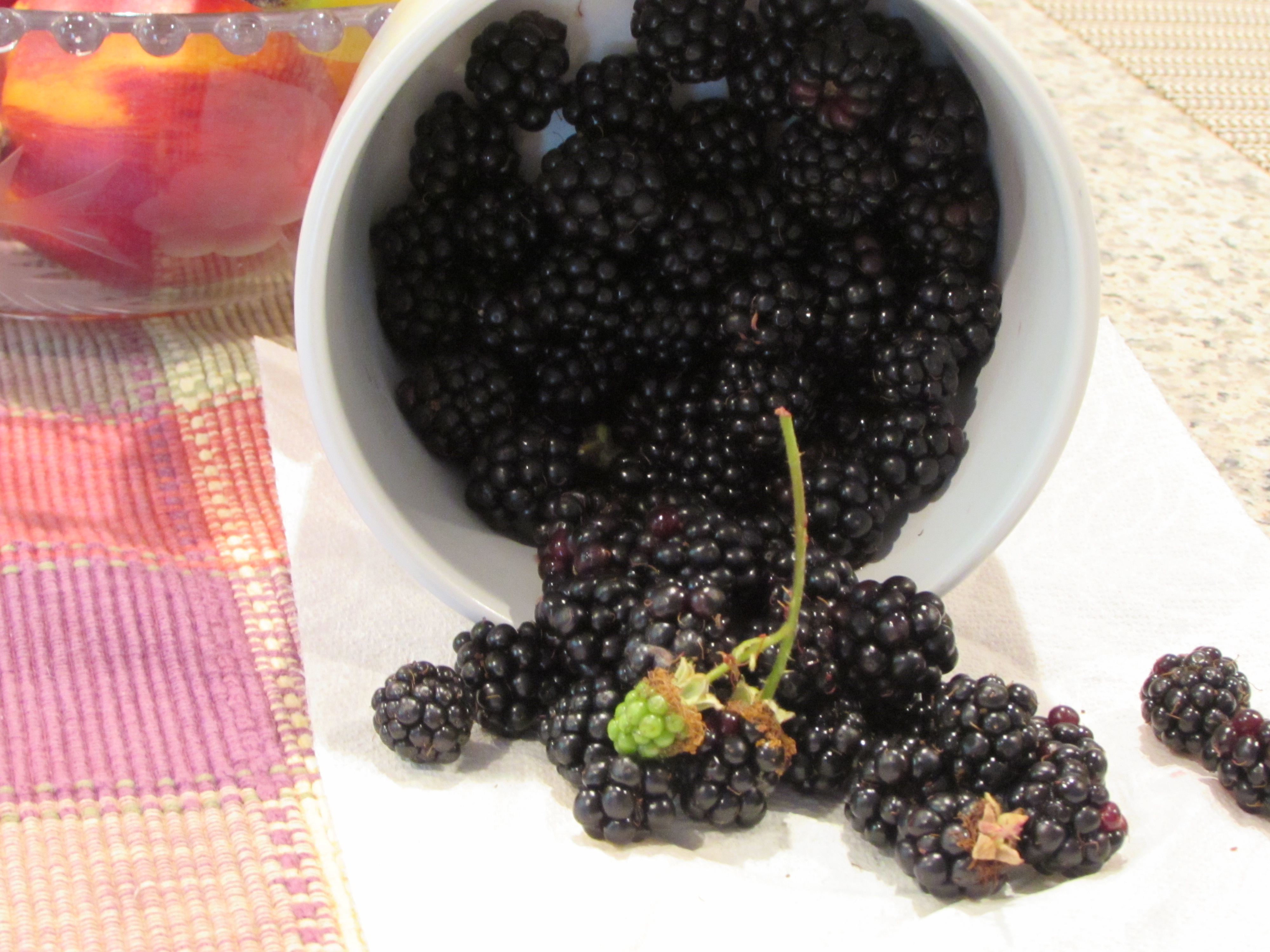
I knew to be careful. As a child, I had picked wild berries in the hills of the Northern Sierra Range in California. As an adult, I savored the Southern Sierra mountain berries. The vines guard their sweet fruit with hairy stickers that sting with more fury than their size should be able to hold. Did I see my neighbors wearing gloves? I should have remembered that little trick to berry-picking. But my small supply of fresh-picked berries gave me only one sting. I escaped home with a nice supply of shining blackberry harvest. Berry, berry good.

Today, I walk again along the sidewalks that border the berry hillsides. I haven’t brought my basket, thinking that berry harvest is a rapid season and I may have missed my chance for a second pick. I turn onto a slightly different path than my usual and begin a walk around a gravel section of a neighborhood park. There are vines alongside the path here, and I notice the dark berries have been harvested. But as I walk closer, I also see that a second offering of green globs hide behind the leaves, waiting to ripen. Berry goodness will deliver a second offering, just one more welcome to the neighborhood.

Walking the urban forest

It’s heaven-sent. During this time of boundaries closing tight, someone had the foresight to keep pathways open. A person I don’t know, about 20 years ago, designed an urban forest to help me today celebrate the natural world. More precisely, someone made it so the forest that was already here wasn’t swallowed up entirely by new homes. I am a lucky sort today, because that space is where my walk takes me.

The pleasure of being able to step from concrete sidewalk to crushed granite path into soothing coolness gives me a moment to pause. It’s a quiet walk, no others within ear shot. Perhaps it’s the time of day – mid afternoon – when every creature takes a rest.

Except me. With each step into the shade, the distant freeway traffic hum, the occasional whirr of small airplanes, the in-and-out of neighborhood inhabitants, all these usual every day sounds are muffled, then fade, then are gone. A simple quiet surrounds the magic of light passing through a split branch of moss-covered old pine, the tender changes in green from tiny leaf to stem to vine, and the delicate yellow and pink of blossoms I haven’t yet named.

The route is adventurous. The trail veers down and makes me evaluate my mountain climbing skills. It’s a mini-mountaineering escape in a twenty-minute time capsule. Other walkers have slipped, leaving their mud tracks in three-foot long skids. I decide to scoot over to the edge. I side-step my way down, cushioned by a layer of old pine needles, crushed brown leaves and the wisdom of being in my sixties with no desire to see if I can recover from a slide down 30 feet of forest. Luckily, this particular path is kind. It exits the forest onto a separate side street and into the neighborhood without needing a return hike back up the slick incline.

But not before I walk through the section I have named Fern Gully. How did these living things survive an ice-and-cold winter? They sit to the side of the trail, ferns more delicate than the tatted-lace doilies my grandmothers’ mothers used to make. Right now, just entering full summer, they have uncurled finger-tipped leaves with hairy undersides in shades of the forest that change as the sun passes by.

Now, the trail feels like the backward beginning of my stroll: into the full sun, onto crushed granite, then hard cement sidewalk. It’s easy to think that the walk, so simple and small, was just a mind’s adventure, just a moment to escape a worried planet. I wonder if I’ll be able to find these peaceful footsteps next time I need an escape. But I smell the lingering pine and cedar, and don’t have to look back to know it’s really there.

As my walk ends, I step through a baracade of trees that reach up 100 feet and into my backyard. The fat leaves of a tree I still cannot name hang down to shield the sun. Climbing onto the small hillside of my back yard, I am home.

Thank you, urban planners. You made today’s walk a welcome relief  in an up-and-down world.


Please join the Monday Walk with RestlessJo and friends:

Walking Quito, Ecuador


A cab from the bus station takes us toward the center of Quito, where we will be staying for several days. With over two million residents, it is no surprise that this city has neighborhoods of normal busy-ness, where life goes on along graffiti streets with too many vehicles. I think we are driving through most of these neighborhoods on our ride today, and marvel at the new yellow school buses, the traffic lights that impose order and the general rush I notice in the streets. We pass through bleached-out urban spread and then up-up-up to the high plateau of historical Quito. 

Once we reach Hotel Casa Gardenia, in the center of the city and settle in, my impressions change. Urbane, international, less hurried, welcoming.

But all those descriptions of Quito – the bustle and the serenity – surprise me. 

The last time I was here, traveling in a pack of two or four or six hamburger-starved young Americans, we sought out Rusty Burger the moment our feet hit the last step of the bus. We ate hamburgers translated into the South American experience and called them glorious. We stayed at a ramshackle hostel that was often packed to the brim with Peace Corps volunteers – like ourselves – and young back-packing world travelers from countries I had never been to. The streets of Quito I came to know 40 years ago had been a mixed-salad of old cars, old horse carts, aging homes inside tall stucco walls, and newer buildings along one section of a street near the hostel. It was a small landscape that I came to know well. I visited the historical section of the city only once or twice, after I had eaten my fill of homesick hamburgers.

Today, our hotel, built into an ancient building, lies along a curving and narrow cobbled street, and is guarded from that street by a thick wooden door from Colonial times. But inside, a modern glass-and-chrome structure offers a massive picture window that frames the entire central square in one gorgeous view. A storm approaches as we check-in, then passes by, cleaning our perspective and setting up our visit to be just as new and refreshed as the view itself. 

Our location offers an easy walking-tour visit to old Quito. We start out holding a tourist map and head down, down the narrow street. It contracts so much at one point that we have to yield for cars. At another passage, the sidewalk has steps that simply dissolve into a gutter from the 1700’s. We walk through a tunnel of stonework from that era, as modern cars compete with us for space.

Then we are at the central square. People call it the Grand Square (Plaza Grande) and Independence Square (Plaza de la Independencia). Ancient stonework continues from the street, but the square itself blooms with color from plantings of flowers mixed with grassy sections and lush trimmed bushes. People are everywhere: walking along, and sitting on the grass and on benches. Massive two- and three-storey buildings line the square, each with a historical purpose: the cathedral, the presidential palace, a grand hotel.

The building that attracts us most is the Archbishop’s Plaza, and the reason we choose this place is predictable. We are in search of food. Inside this former residence of Quito’s archbishop is a beautiful warren of tourism. The interior of the building holds several patios, one with a quintessential fountain, another with a zigzagging covered walkway. There are hallways linking the interior patios and enough entrances and exits to confuse any visitor. And there are restaurants.

We have a hard time deciding which menu to choose, and end up taking a table on an upstairs outdoor patio and eat a wonderful humita ( similar to tamales.) Another rain storm passes as we eat, and the patter of the rain into the interior courtyard is exactly enough to bring a pause to the day, but not enough to change our plans.

After the meal, we continue walking downhill to the city market. The two-story concrete structure contains fruits, vegetables and every imaginable meat. Cascading boxes are hidden behind multi-colored produce: purple and yellow potatoes, orange- and white-speckled corn,  light red-skinned plantains. Because there are ingredients, there are also food stalls. Fresh juices, roasted whole pig, llapingacho (stuffed potato patties.)

There is so much more to see, and we have some days to catch our memories of this city we had loved. Forty years later, I am joyful at discovering this modern transformation of Quito. Eating hamburgers from home seemed important at one time. And maybe that is a good personal memory. But Quito itself is so much more than Rusty Burgers, and I am very happy to know that now.


Please join the Monday Walk with RestlessJo and friends: